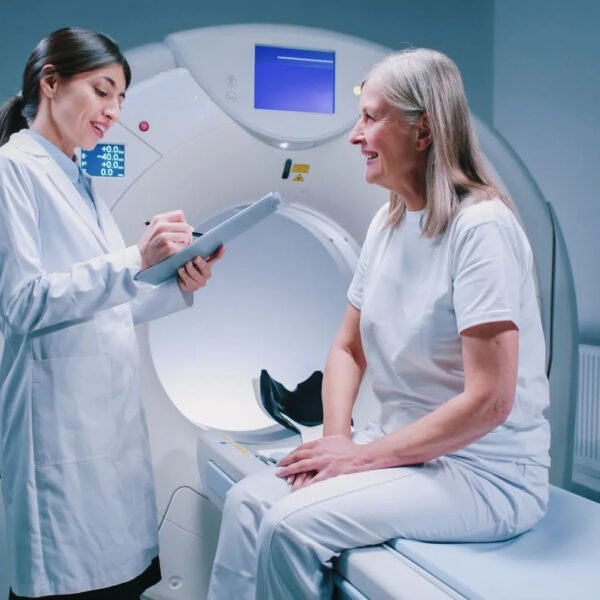
Why Early Detection Is Your Best Defense Against Breast Cancer
When it comes to breast cancer, time matters. The earlier a change is found, the more options you have — and the better the outcomes tend to be. That’s why screening and early detection are at the heart of everything we do at Advanced Breast Care Consultants. Understanding how detection works, and what role you play in it, can make a real difference in your long-term health.
The Power of Finding Changes Early
Breast cancer often develops quietly, with no pain and no obvious signs in its earliest stages. By the time a lump can be felt, the cancer may have been growing for some time. Screening tools are designed to catch these changes long before symptoms appear — often when the cancer is small, contained, and most treatable. Early detection frequently means less invasive treatment, more choices, and greater peace of mind.
How 3D Mammography Improves Detection
The most reliable screening tool available today is the mammogram, and 3D mammography has taken accuracy a step further. Unlike traditional 2D imaging, which captures a single flat picture, 3D mammography records multiple thin layers of breast tissue. This gives radiologists a clearer, more detailed view and helps them see through overlapping tissue that can hide abnormalities.
The benefits are significant. 3D mammography detects small tumors that might be missed on a flat image, reduces the chance of being called back for repeat imaging, and is especially effective for women with dense breasts, where cancer can be harder to spot. For many patients, it also means less anxiety and greater confidence in their results.
What You Can Do at Home
Screening doesn’t only happen in the clinic. Becoming familiar with how your breasts normally look and feel is one of the simplest ways to stay aware of your own health. A monthly self-exam helps you recognize what’s normal for you — so you can quickly notice changes like a new lump, skin dimpling, nipple changes, or unusual discharge.
A self-exam isn’t a replacement for professional screening, but it’s a valuable habit alongside it. If you ever notice something that seems different, it’s always worth having it checked. Most breast changes turn out to be harmless, but catching the ones that aren’t — early — is what saves lives.
Building Your Screening Routine
For most women, a strong screening routine combines three things: a monthly self-exam, a yearly clinical breast exam, and regular mammograms starting at age 40 (or earlier for those at higher risk). If you have a family history of breast cancer or other risk factors, your care team may recommend a more personalized schedule.
The goal is simple — to stay ahead of any changes and give yourself the best possible chance at early, effective treatment. Screening is quick, and the reassurance it brings is worth it.
Take the First Step Today
Your breast health is worth prioritizing, and we’re here to make it easy. Whether you’re due for a mammogram, have a concern you’d like evaluated, or simply want to build a screening plan that fits your needs, our team is ready to help.
The healthcare industry is continually evolving with new technologies and treatments. From telemedicine advancements to breakthroughs in personalized medicine, these developments are reshaping patient care.