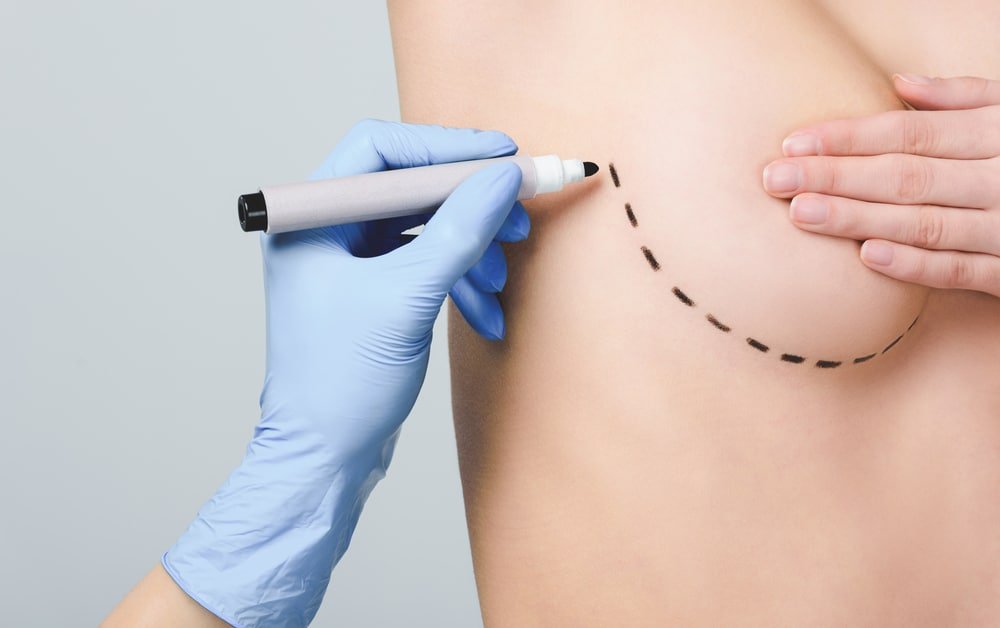
Direct-to-implant (single-stage) reconstruction is an advanced technique that completes your breast reconstruction immediately after mastectomy. Instead of using tissue expanders or scheduling multiple operations, the permanent implant is placed during the same surgery as the mastectomy. For suitable candidates, this means waking up from surgery with reconstructed breasts — an outcome many patients find deeply reassuring — and no need to plan future procedures.
The Benefits of a Single-Stage Approach
Traditional reconstruction often requires staged surgeries, tissue expanders, and repeated recovery periods. Direct-to-implant avoids much of that, offering:
- No tissue expanders or prolonged expansion process
- Immediate reconstruction — one surgery instead of several
- Natural, symmetrical results with minimal incisions and scarring
- Confidence in clothing, including swimwear and low-cut styles
- A faster return to your normal life
One Surgery
Reconstruction is completed in the same operation as the mastectomy.
Immediate Result
You wake up with reconstructed breasts — no expanders, no waiting.
Minimal Scarring
Small, discreet incisions placed at the base of the breast.
Who Is a Candidate for Direct-to-Implant?
Our surgeons carefully evaluate each patient to ensure this approach is right for them. Ideal candidates typically don’t smoke (or will stop before and after surgery), have a smaller breast size and leaner frame, no history of radiation to the chest, and realistic expectations. For women unsure about reconstruction at the time of mastectomy, a staged approach remains available if they choose to move forward later.
Most popular and trending Questions?
As part of our commitment to advancing neurological science, we actively engage in cutting-edge research initiatives. By pushing the boundaries of knowledge, we aim to bring about breakthroughs that will shape the future
Direct-to-implant reconstruction places the final implant at the time of mastectomy, eliminating the need for tissue expanders. Two-stage reconstruction requires expanders to be placed first and gradually filled over several months before the final implant is inserted.
Surgery length varies depending on anatomy and whether one or both breasts are being treated, but most procedures take several hours.
Most patients experience reduced or absent sensation after reconstruction. Some feeling may return over time, but it is typically limited.
Yes. Breast reconstruction after mastectomy is federally protected, and most insurance plans cover direct-to-implant reconstruction.
Yes. Chemotherapy does not prevent direct-to-implant reconstruction. Your surgical and oncology teams coordinate timing to ensure safe healing.
Radiation can affect the appearance and feel of an implant, but many patients still do well. Your surgeon will discuss how radiation may influence long-term results and whether additional procedures may be needed.
Implant size is customized to each patient’s anatomy, goals, and mastectomy skin envelope. Your surgeon will help determine the most appropriate size.
Most patients do not need routine mammograms after mastectomy because nearly all breast tissue has been removed. Your surgeon will guide you on any recommended follow-up imaging.
Most patients receive silicone implants because they provide a soft, natural feel. Implant shape and profile are selected based on anatomy and desired results.