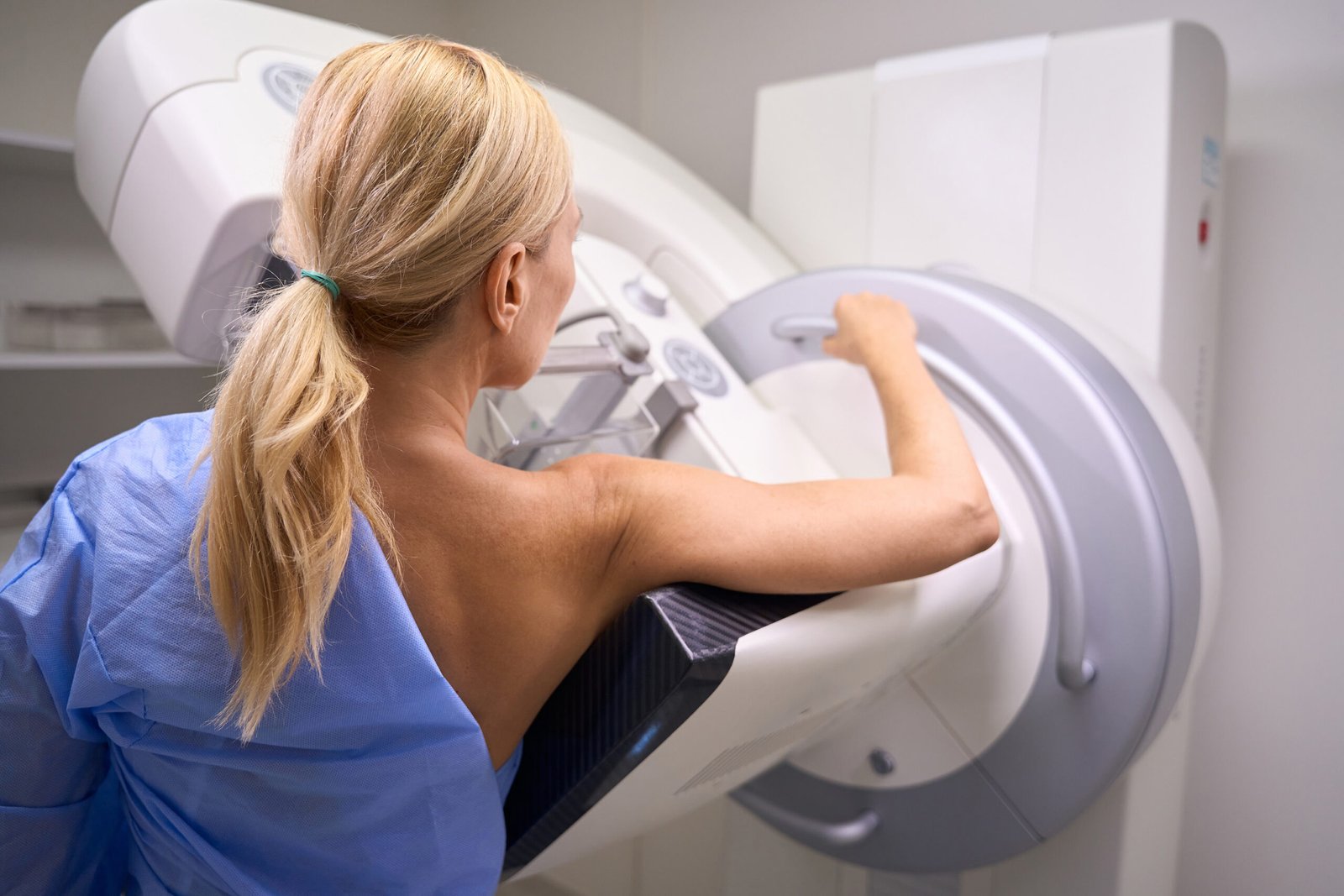
A mammogram is a specialized X-ray of the breast that helps radiologists detect changes in breast tissue that may indicate early signs of cancer. As the most reliable and widely used screening tool, mammograms use low-dose X-rays to reveal masses, distortions, and other patterns that may need further evaluation — often before any symptoms appear. At Advanced Breast Care Consultants, our advanced 3D mammography captures multiple thin layers of breast tissue, giving a clearer, more detailed view than traditional 2D imaging. geriatric oncology units both in major academic centers as well as in corporate hospitals. Besides, several GA tools and scales that were developed in the West are not suitable for some older patients, due to differences in cultural experiences, illiteracy, and varying life expectancies.
What a 3D Mammogram Can Detect
A 3D mammogram can reveal a range of changes in breast tissue, including:
- Lumps or masses
- Cysts and dense tissue
- Calcifications
- Areas of asymmetry
- Architectural distortions
Early Detection
3D imaging finds small tumors that may be hidden on flat 2D images.
Fewer Callbacks
Detailed tissue layers reduce the need for repeat visits.
Better for Dense Breasts
Separates overlapping tissue for clearer results in dense breasts.
Why Choose 3D Mammography?
A 3D mammogram captures multiple thin slices of breast tissue in a single pass, providing a complete three-dimensional view — earlier detection, fewer callbacks, and superior results for dense tissue, often with lower radiation than traditional methods.
Most popular and trending Questions?
As part of our commitment to advancing neurological science, we actively engage in cutting-edge research initiatives. By pushing the boundaries of knowledge, we aim to bring about breakthroughs that will shape the future
A 2D mammogram creates a single flat image of the breast, while a 3D mammogram captures multiple thin slices of breast tissue to form a detailed three-dimensional view. This helps radiologists see through overlapping tissue, improving accuracy and reducing callbacks.
Most women follow annual screening guidelines, but your doctor may adjust the schedule based on age, breast density, personal history, or previous breast procedures. Women with higher risk factors may need more frequent imaging.
Many insurance plans cover 3D mammography, but coverage varies. Patients are encouraged to check with their insurance provider to confirm benefits and any out-of-pocket costs.
Yes. 3D mammography is especially effective for dense breast tissue because it separates overlapping layers, making abnormalities easier to detect.
Women with implants can safely undergo 3D mammography. Be sure to inform our team ahead of time so technologists can plan the appropriate views.
3D mammograms use low-dose X-rays, similar to standard mammography. In many cases, 3D imaging may even require lower radiation exposure than some traditional methods.
Screening results are typically available within a few days, depending on radiologist review time. Diagnostic exams may take longer if additional views or follow-up imaging are needed.
Follow-up tests are common and do not necessarily indicate a problem. Additional imaging may be needed to clarify an area, compare views, or evaluate dense tissue.